Biography
About Alan Alda
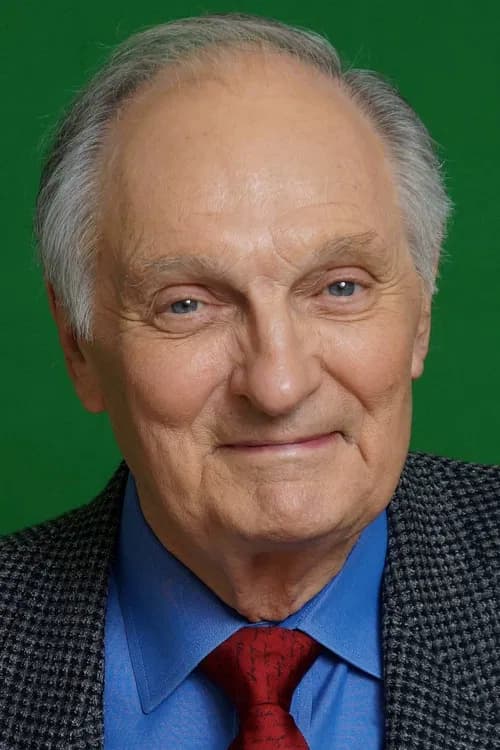
Alan Alda has built a career around an unusually flexible screen presence: quick with a joke, comfortable with moral complexity and equally convincing as a reassuring ally or a polished adversary. Born Alphonso Joseph D’Abruzzo in Manhattan on January 28, 1936, he spent part of his childhood travelling with his performer father, Robert Alda, and sometimes joined him in burlesque sketches. That early exposure to performance helped point him toward improvisational comedy, including work with the Compass Players and Second City.
After stage and television roles, Alda found his defining part in 1972 as Hawkeye Pierce in M*A*S*H. He appeared in all 256 episodes, but his contribution went well beyond playing the fast-talking army surgeon. Alda wrote 19 episodes, directed 32 and became a producer and creative consultant as the series developed its balance of comedy, social observation and wartime drama. His work on the show brought him five Emmy wins from 21 nominations.
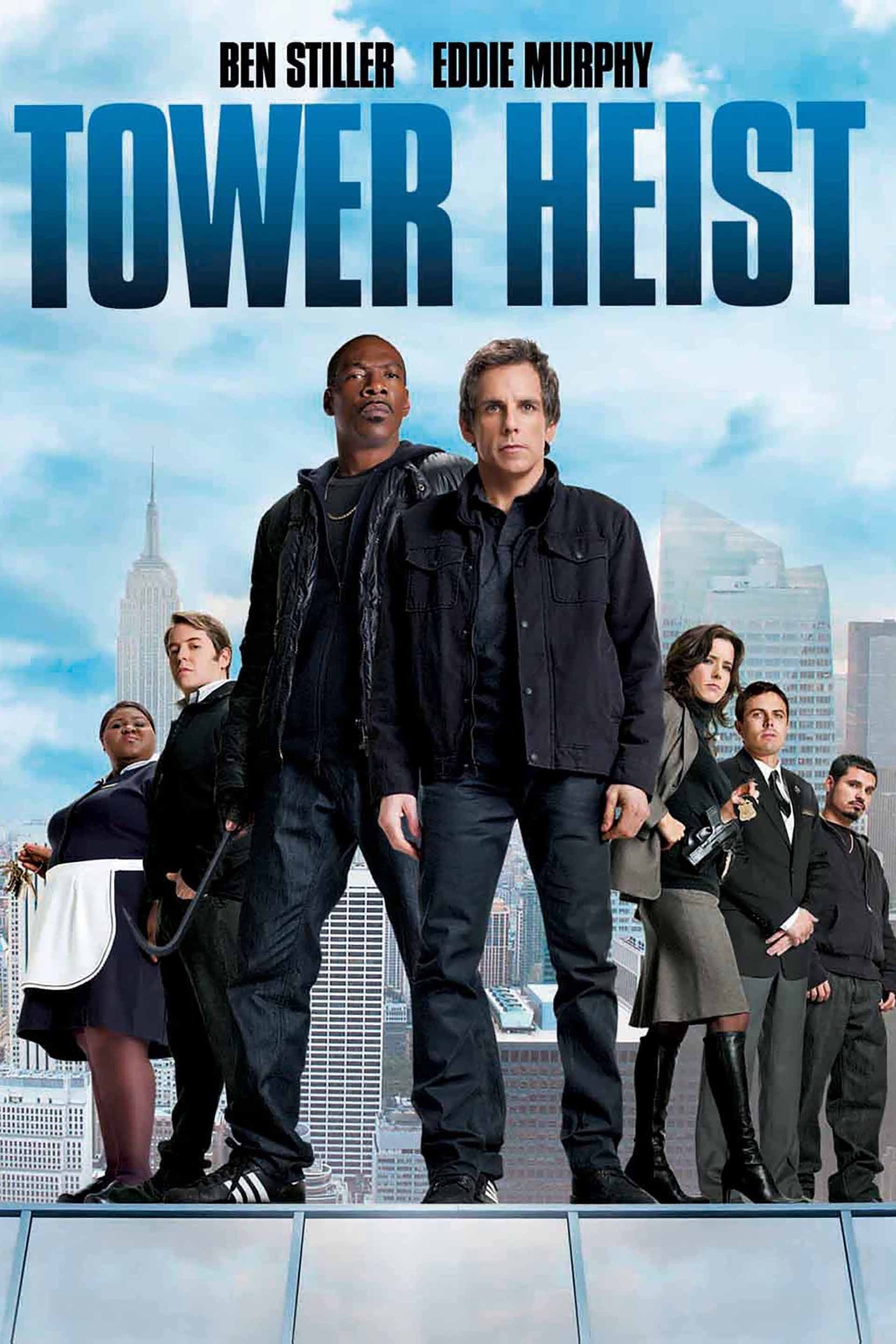
Alda never treated that success as a reason to stay in one lane. He wrote, directed and starred in films including The Four Seasons, while later roles often played against the affable image associated with Hawkeye. His film work ranged from Crimes and Misdemeanors and Manhattan Murder Mystery to Canadian Bacon, What Women Want and Tower Heist. As Senator Owen Brewster in Martin Scorsese’s The Aviator, he brought smooth authority and quiet pressure to the role, earning his first Academy Award nomination.
Television gave him another substantial political character in The West Wing, where he played Republican senator and presidential candidate Arnold Vinick across the final two seasons and won an Emmy for the performance. Later appearances in Bridge of Spies, Horace and Pete and Marriage Story showed how effectively Alda could use restraint: a measured voice, a flicker of impatience or a trace of warmth often did the work of a speech.
His career also extends through writing, directing, Broadway and science broadcasting, including hosting Scientific American Frontiers. Across those different forms, Alda’s appeal has remained remarkably consistent: intelligence worn lightly, comedy grounded in human behaviour and an instinct for making conversation feel alive.