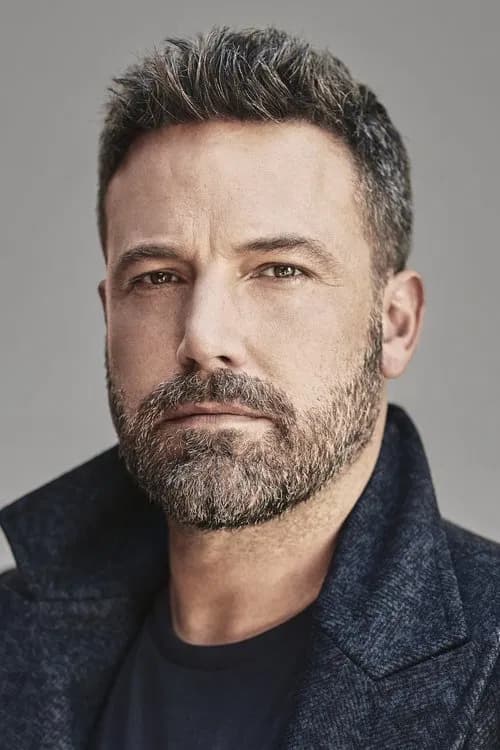
Biography
About Ben Affleck
Ben Affleck has built the kind of career that invites a second look. Born in Berkeley, California, in 1972 and raised largely in Massachusetts, he began acting professionally at seven. Early work included the PBS children’s series The Voyage of the Mimi, but his real turning point came through a project shaped close to home.
Affleck and childhood friend Matt Damon co-wrote Good Will Hunting, setting the story partly in Cambridge and drawing on their own experiences. Affleck also played Chuckie, the loyal working-class friend whose tenderness gives the film some of its emotional weight. The pair won the Academy Award for Best Original Screenplay, with Affleck becoming the youngest writer ever to win a screenwriting Oscar at 25.
Hollywood quickly found leading-man roles for him, including Armageddon, Pearl Harbor and The Sum of All Fears. Yet Affleck has often been most interesting when that traditional movie-star confidence is complicated. Chasing Amy made room for his comic timing and uncertainty; Hollywoodland brought out vulnerability and fatalism; Gone Girl used his charm, reserve and familiarity with tabloid scrutiny to particularly sharp effect. In The Way Back, playing a recovering alcoholic, he delivered one of his most exposed and natural performances.
His work behind the camera changed the shape of his career. Gone Baby Gone established his feel for morally tangled crime stories and working-class Boston settings. He followed it with The Town, which he directed, co-wrote and starred in, then Argo, a tense historical drama that won Best Picture. Affleck received Golden Globe, Directors Guild of America and BAFTA directing awards for Argo despite not receiving an Academy Award nomination for Best Director.
That ability to move between acting, writing, directing and producing remains central to his screen identity. Whether playing Batman, an accused husband, a bank robber or Nike co-founder Phil Knight in Air, Affleck tends to work best when the polished exterior is allowed to crack—or when he is behind the camera, giving other actors the space to do the same.