Biography
About Christoph Waltz
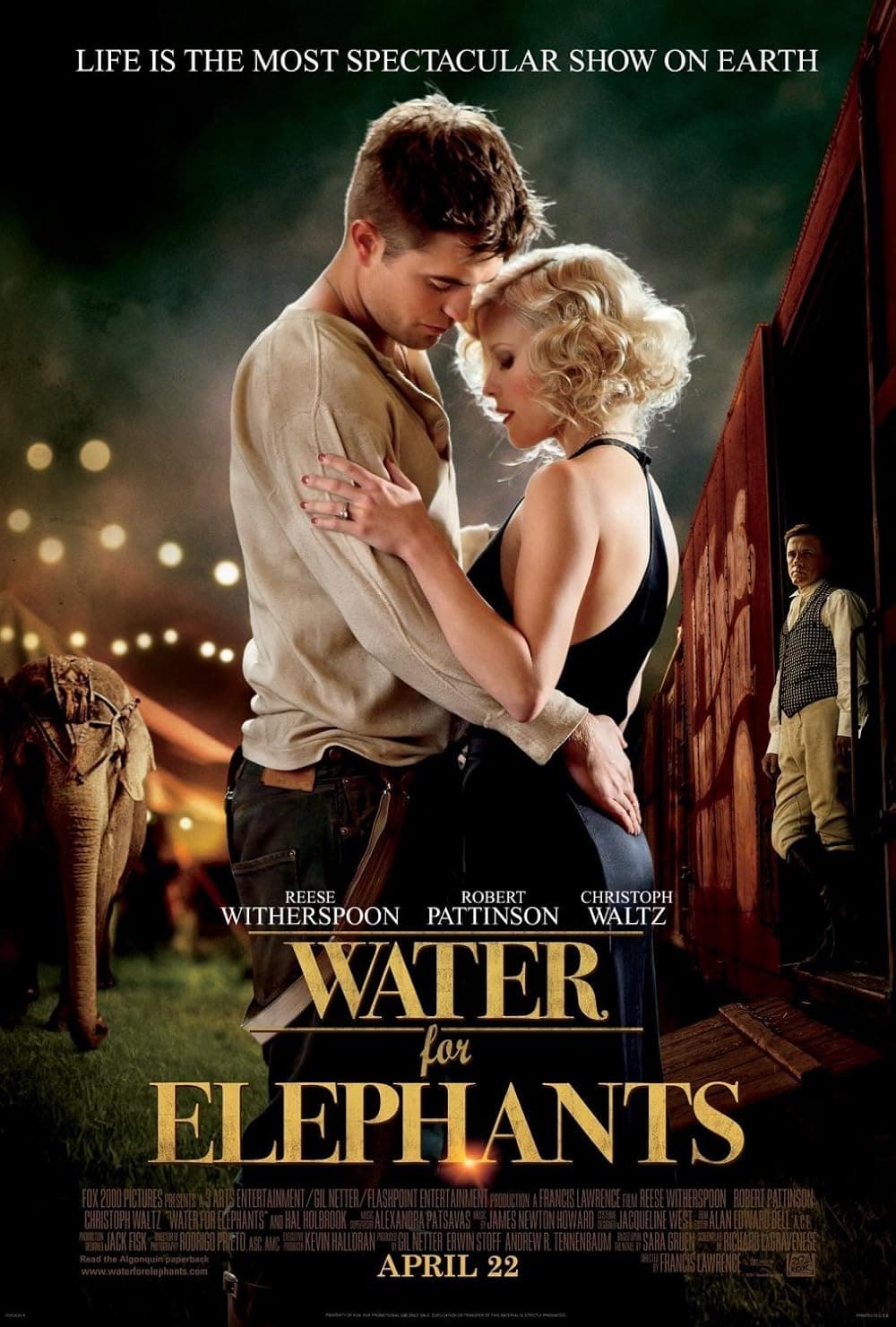
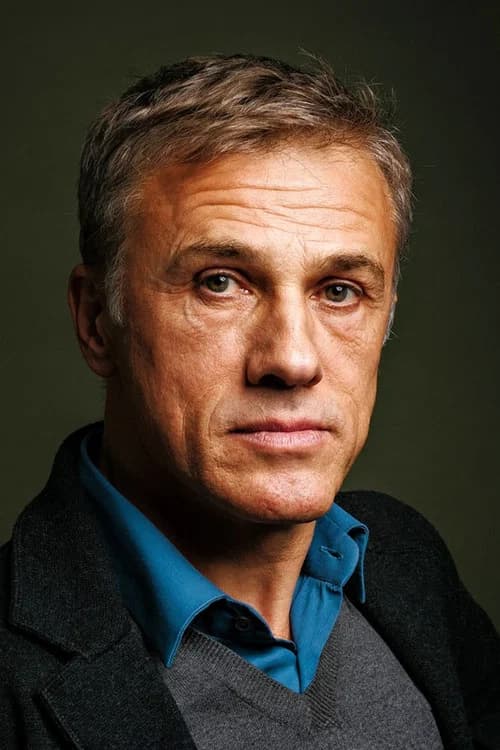
Christoph Waltz has built a screen persona around immaculate manners, analytical precision and the possibility of danger lurking beneath both. Born in Vienna on 4 October 1956, the Austrian and German actor came from a family deeply connected to theatre and film. His father, Johannes Waltz, was a set designer, while his mother, Elisabeth Urbancic, was a costume designer. His wider family included stage and silent-film performers.
Opera was Waltz’s first ambition. He studied singing and opera at the University of Music and Performing Arts Vienna alongside acting at the Max Reinhardt Seminar, eventually deciding against an opera career. Further training in New York with Lee Strasberg and Stella Adler helped shape his approach to script interpretation. Back in Europe, he worked on stages in Zürich, Vienna, Salzburg, Cologne and Hamburg before becoming a prolific television actor between 1980 and 2000.
His international breakthrough came with Quentin Tarantino’s Inglourious Basterds in 2009. As Hans Landa, Waltz made courtesy feel like a weapon, moving between charm, calculation and cruelty with unnerving ease. The performance won him the Best Actor Award at Cannes and the Academy Award, BAFTA and Golden Globe for Best Supporting Actor.
Waltz reunited with Tarantino for Django Unchained, playing German bounty hunter King Schultz in a role written specifically for him. It brought him a second Academy Award, BAFTA and Golden Globe for Best Supporting Actor. His ability to turn elaborate dialogue into tightly controlled drama has remained central to his appeal, whether playing gangster Benjamin Chudnofsky in The Green Hornet, Walter Keane in Big Eyes or Ernst Stavro Blofeld in the James Bond films Spectre and No Time to Die.
His work has continued across film, television, theatre and opera. Waltz directed and starred in the crime film Georgetown, appeared in Alita: Battle Angel and led the series The Consultant. He has also directed opera productions of Der Rosenkavalier and Falstaff, bringing his early musical interests back into a career defined by command of language, performance and tone.