Biography
About Cicely Tyson
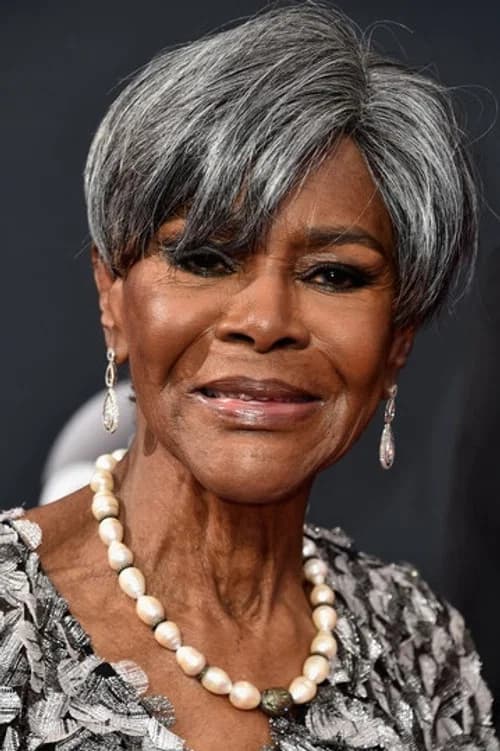
Cicely Tyson built a career across film, television and the stage with a clear sense of purpose and an extraordinary command of character. Born in the Bronx on December 19, 1924, and raised in East Harlem, she sang in an Episcopal church choir before finding her way into modeling and acting. A photographer for Ebony discovered her, leading to a successful fashion-modeling career, and she later studied acting under Lee Strasberg.
After a bit part in the 1956 film Carib Gold, Tyson worked onstage and took smaller screen roles before joining the CBS series East Side/West Side in 1963. At the time, she was the only African American regular member of a television cast. She had already made television history in 1962 as the first African American woman to wear an Afro on American television.
Her performance as Rebecca Morgan in Sounder brought Tyson Academy Award and Golden Globe nominations for Best Actress, as well as honors from the National Society of Film Critics and National Board of Review. Two years later, she played the title character across a lifetime in The Autobiography of Miss Jane Pittman, winning Emmy Awards for Outstanding Lead Actress in a Miniseries or Movie and Actress of the Year – Special.
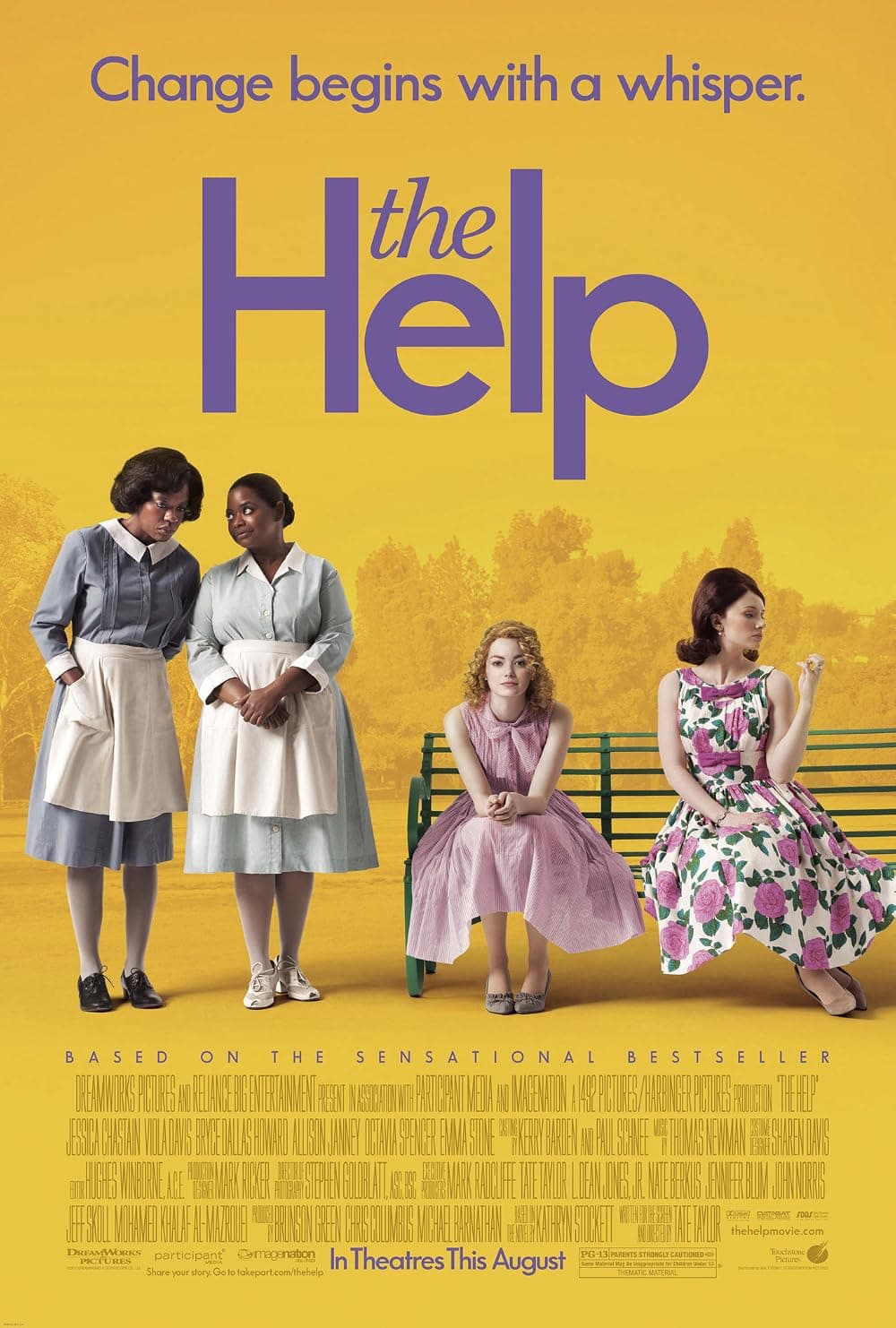
Tyson’s television work remained a major part of her career. She appeared as Binta in Roots, portrayed Coretta Scott King in King and played educator Marva Collins in The Marva Collins Story. She also became the first Black woman to host Saturday Night Live. Her film roles included Sipsey in Fried Green Tomatoes, Constantine Jefferson in The Help and appearances in Hoodlum, Because of Winn-Dixie and Diary of a Mad Black Woman.
The stage remained equally important. In 2013, at age 88, Tyson won the Tony Award for Best Actress in a Play for The Trip to Bountiful, becoming the category’s oldest recipient. Beginning in 2014, she brought further emotional weight to television as Ophelia Harkness in How to Get Away with Murder, earning five Emmy nominations for the role. Tyson’s work, spanning more than six decades, was defined not simply by longevity but by the depth and dignity she brought to the women she played.