Biography
About Daniel Craig
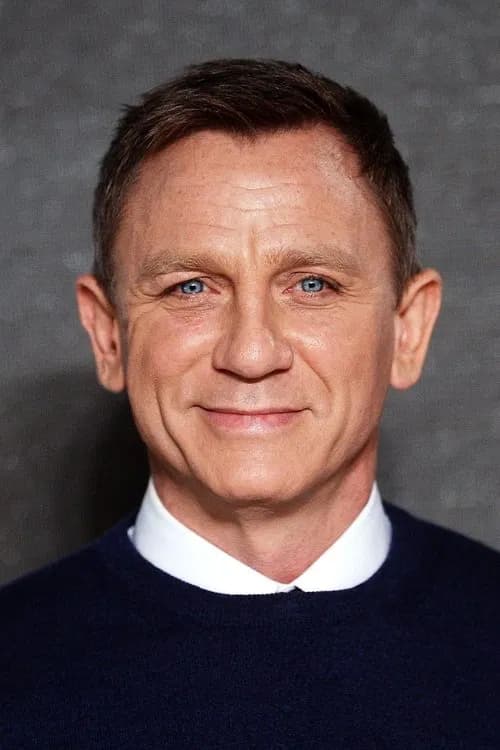
Daniel Craig’s screen presence has always carried a useful tension: physical confidence on the surface, with unease, anger or vulnerability moving underneath. Born in Chester on 2 March 1968, the English actor began performing in school plays as a child before joining the National Youth Theatre in 1984. He later trained at the Guildhall School of Music and Drama, graduating in 1991.
Craig’s early career moved freely between stage, television and film. His performance as the troubled Geordie Peacock in the 1996 BBC drama Our Friends in the North became a breakthrough, while Love Is the Devil gave him the complex role of George Dyer opposite Derek Jacobi’s Francis Bacon. He continued to build a varied filmography through The Trench, Some Voices, Road to Perdition and The Mother. As the unnamed cocaine supplier in Layer Cake, he found a particularly effective balance of control and danger.
That quality helped reshape James Bond. Craig made his debut as 007 in Casino Royale in 2006, approaching the character with the emotional depth he had wanted to bring to the role. He ultimately played Bond across five films, ending his run with No Time to Die in 2021. The part brought worldwide recognition, but Craig continued to take roles that resisted easy repetition, including Tuvia Bielski in Defiance, journalist Mikael Blomkvist in The Girl with the Dragon Tattoo and a memorable comic turn in Logan Lucky.
In Rian Johnson’s Knives Out, Craig introduced detective Benoit Blanc, trading Bond’s clipped severity for an eccentric manner and a more playful rhythm. He returned to the role in Glass Onion, establishing another recurring screen character without simply revisiting familiar territory.
Stage work has remained an important part of Craig’s career. His credits include A Number, A Steady Rain, Betrayal, Othello and a Broadway revival of Macbeth. Across thrillers, dramas, mysteries, animation and theatre, he has shown a consistent interest in characters whose composure is never quite as secure as it first appears.