Biography
About Gemma Arterton
Born in Gravesend on 2 February 1986, Gemma Arterton has built a career that moves comfortably between studio spectacle, independent film, television and the stage. After studying drama at the Miskin Theatre and training at the Royal Academy of Dramatic Art, she landed her first professional role in Stephen Poliakoff’s Capturing Mary while still at drama school. Her film debut followed in St Trinian’s, where she played Head Girl Kelly.
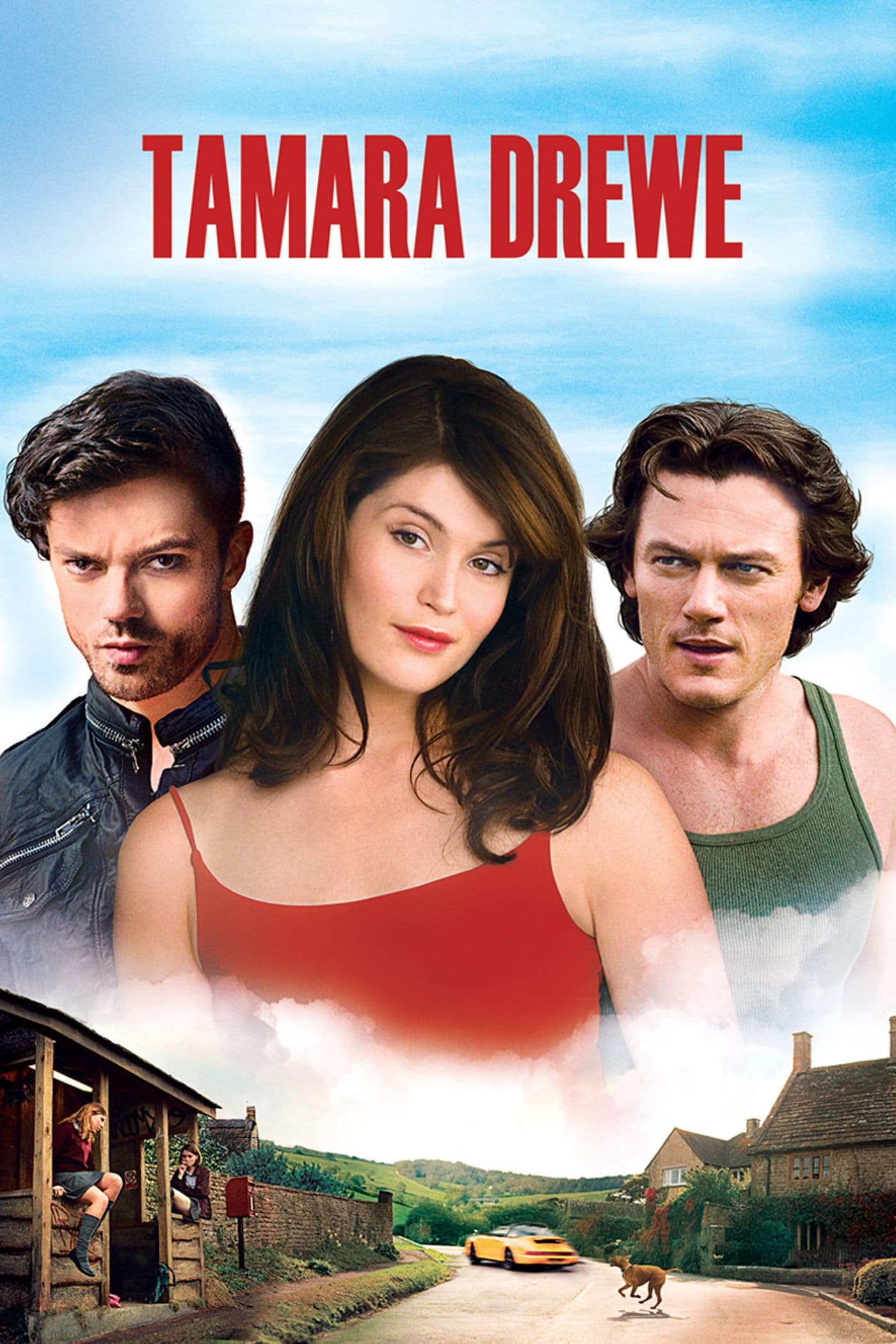
Arterton quickly became a familiar screen presence in 2008. She appeared opposite Daniel Craig as Strawberry Fields in Quantum of Solace, played the title character in the BBC adaptation of Tess of the d’Urbervilles and took on Elizabeth Bennet in Lost in Austen. Rather than settling into one kind of part, she moved between the physically and emotionally demanding thriller The Disappearance of Alice Creed, large-scale adventures including Clash of the Titans and Prince of Persia: The Sands of Time, and the sharp contemporary comedy Tamara Drewe.
That range has remained central to her work. She starred as Gretel in Hansel & Gretel: Witch Hunters, learned French for the title role in Gemma Bovery and played teacher Helen Justineau in the dystopian drama The Girl with All the Gifts. Their Finest gave her another strong lead as Catrin Cole, a screenwriter working on wartime propaganda films, while Vita and Virginia cast her as writer Vita Sackville-West. She also served as an executive producer on that film.
Theatre has run alongside her screen career, from Love’s Labour’s Lost at Shakespeare’s Globe to West End productions including The Little Dog Laughed, Made in Dagenham and Nell Gwynn. Her performances in Made in Dagenham and Nell Gwynn brought Olivier Award nominations.
Arterton has also taken a more active role behind the camera. She established Rebel Park Productions in 2016 to develop female-led and female-centric projects, and produced or executive-produced work including The Escape, Leading Lady Parts and Summerland. It is a career shaped not by one defining genre, but by a steady interest in varied characters and greater creative control.