Biography
About Jodie Foster
Jodie Foster has spent most of her life on screen, yet her career has never felt confined to a single kind of performance. Born Alicia Christian Foster in Los Angeles on November 19, 1962, she began appearing in advertisements at three and worked extensively in television before making her feature debut in Napoleon and Samantha. Even as a young actor, she gravitated toward characters with sharp edges and complicated inner lives.
That quality came into focus in 1976. Foster appeared in Taxi Driver, Bugsy Malone, The Little Girl Who Lives Down the Lane and Freaky Friday, moving between unsettling drama, gangster pastiche, thriller and Disney comedy with unusual assurance. Taxi Driver brought her an Academy Award nomination, while The Accused later established her adult career and earned her the Academy Award for Best Actress.
Her Clarice Starling in The Silence of the Lambs remains central to understanding Foster’s screen presence: alert, controlled and persuasive without relying on physical force. The performance earned her another Academy Award, as well as Golden Globe and BAFTA awards. Contact gave her another intellectually driven protagonist, while Panic Room, Flightplan and Inside Man showed how effectively she could carry thrillers built around pressure, calculation and survival.
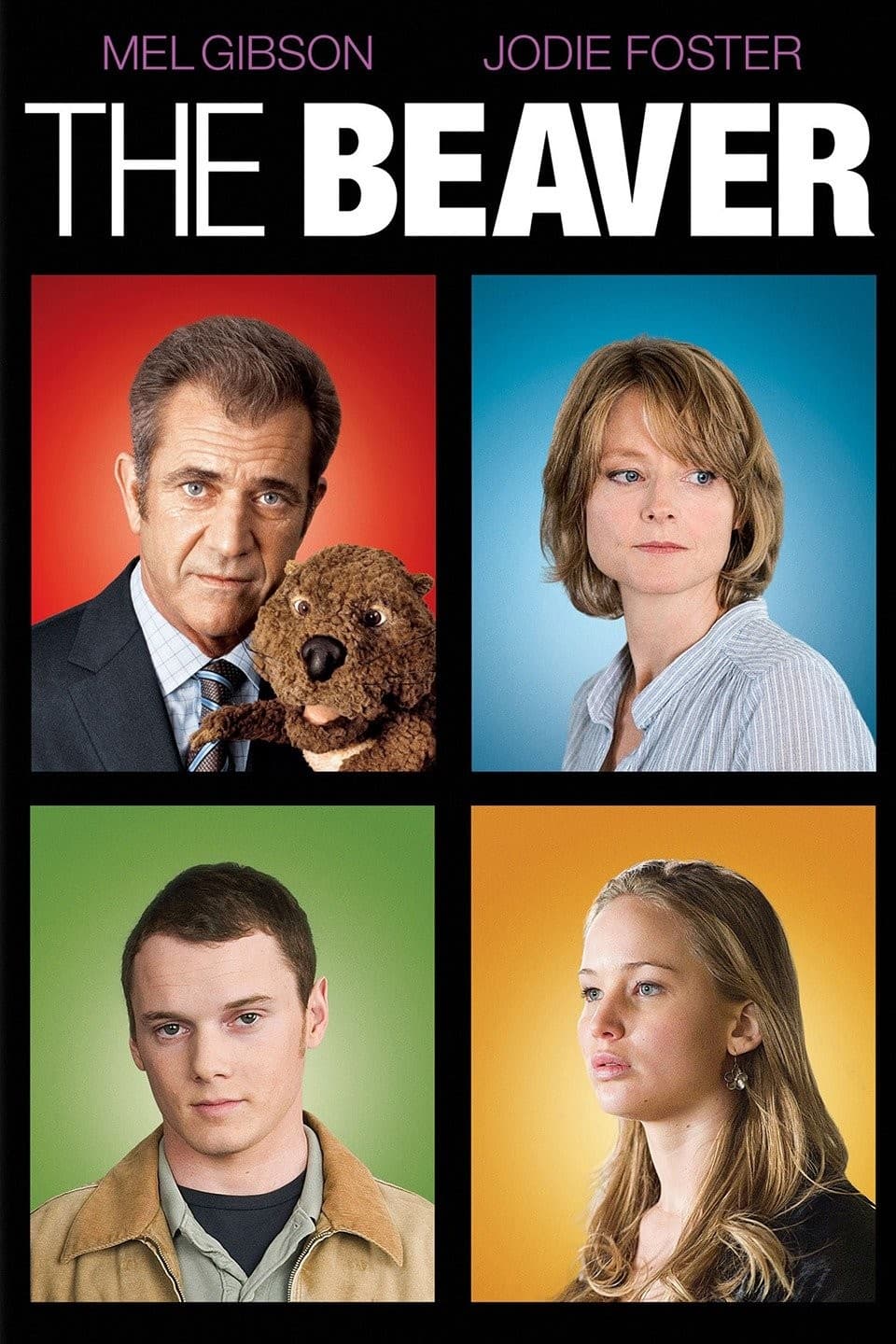
Foster’s career has also developed behind the camera. She made her feature directing debut with Little Man Tate, then directed Home for the Holidays, The Beaver and Money Monster. Her television work includes episodes of Orange Is the New Black, House of Cards and Black Mirror, demonstrating a sustained interest in directing alongside acting and producing.
More recent performances have continued that balance of authority and restraint. She won a supporting-actress Golden Globe for The Mauritanian, received an Academy Award nomination for Nyad and won a Primetime Emmy for True Detective: Night Country. Across child stardom, adult leading roles and filmmaking, Foster’s career has been shaped by intelligence, selectivity and a willingness to move between mainstream suspense and more difficult character studies.