Biography
About Michael Caine
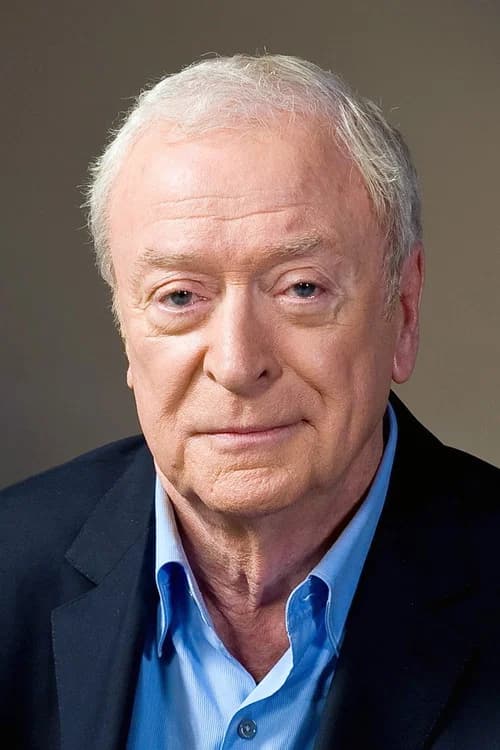
Michael Caine built a screen career around a quality British cinema once rarely allowed its leading men to keep: a recognisably working-class voice. Born Maurice Joseph Micklewhite in Rotherhithe, London, on 14 March 1933, he grew up in Southwark and spent part of the Second World War as an evacuee in North Runcton, Norfolk. His first film appearance was an uncredited walk-on in Morning Departure, followed by years of repertory theatre, bit parts and television work that he later described as “more like purgatory than paradise.”
He adopted the name Michael Caine after spotting The Caine Mutiny on a Leicester Square cinema marquee. The breakthrough came with Zulu, where he was cast against expectation as an upper-class officer. Soon afterwards, The Ipcress File and Alfie made his Cockney accent, dry delivery and watchful presence central to his appeal. He could be relaxed without seeming careless, and tough without turning every scene into a display of force.
The Italian Job gave him Charlie Croker and one of British film’s most frequently quoted lines, while Get Carter showed how cold and controlled that same presence could become. Sleuth, The Man Who Would Be King, Educating Rita and Hannah and Her Sisters widened the range. He won a BAFTA and Golden Globe for Educating Rita, then his first Academy Award for Hannah and Her Sisters. A second supporting-actor Oscar followed for The Cider House Rules.
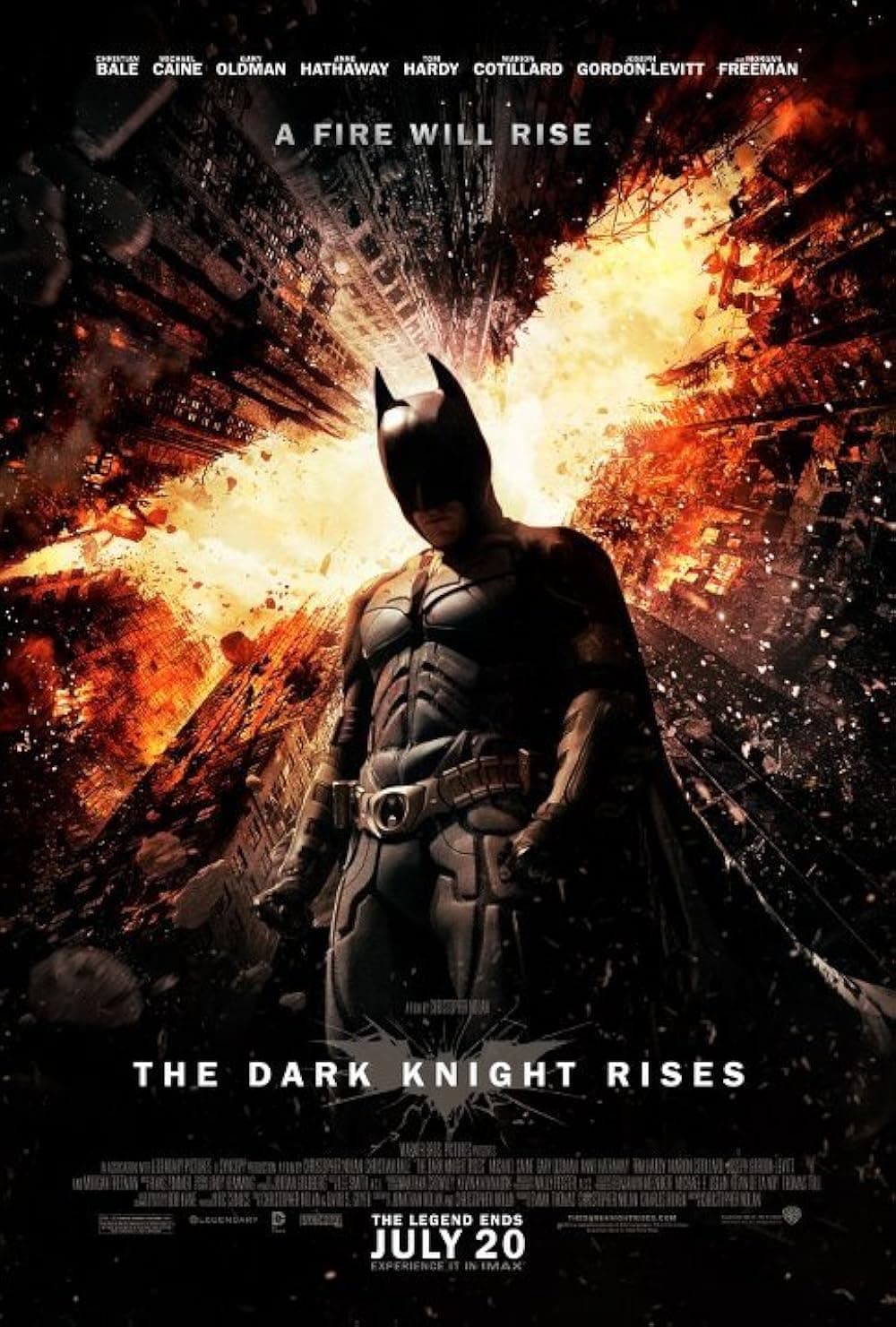
Caine also understood the value of playing serious emotion straight, even in unexpected company. His Ebenezer Scrooge in The Muppet Christmas Carol was approached as an entirely dramatic role. Later audiences knew him as Alfred Pennyworth across Christopher Nolan’s Dark Knight Trilogy, and he also appeared in Nolan’s The Prestige, Inception, Interstellar, Dunkirk and Tenet.
His final film was The Great Escaper, released in 2023, in which he played a Second World War veteran opposite Glenda Jackson. Caine confirmed his retirement that October, closing a film career that had stretched from an uncredited appearance in 1950 to a final leading role more than seven decades later.