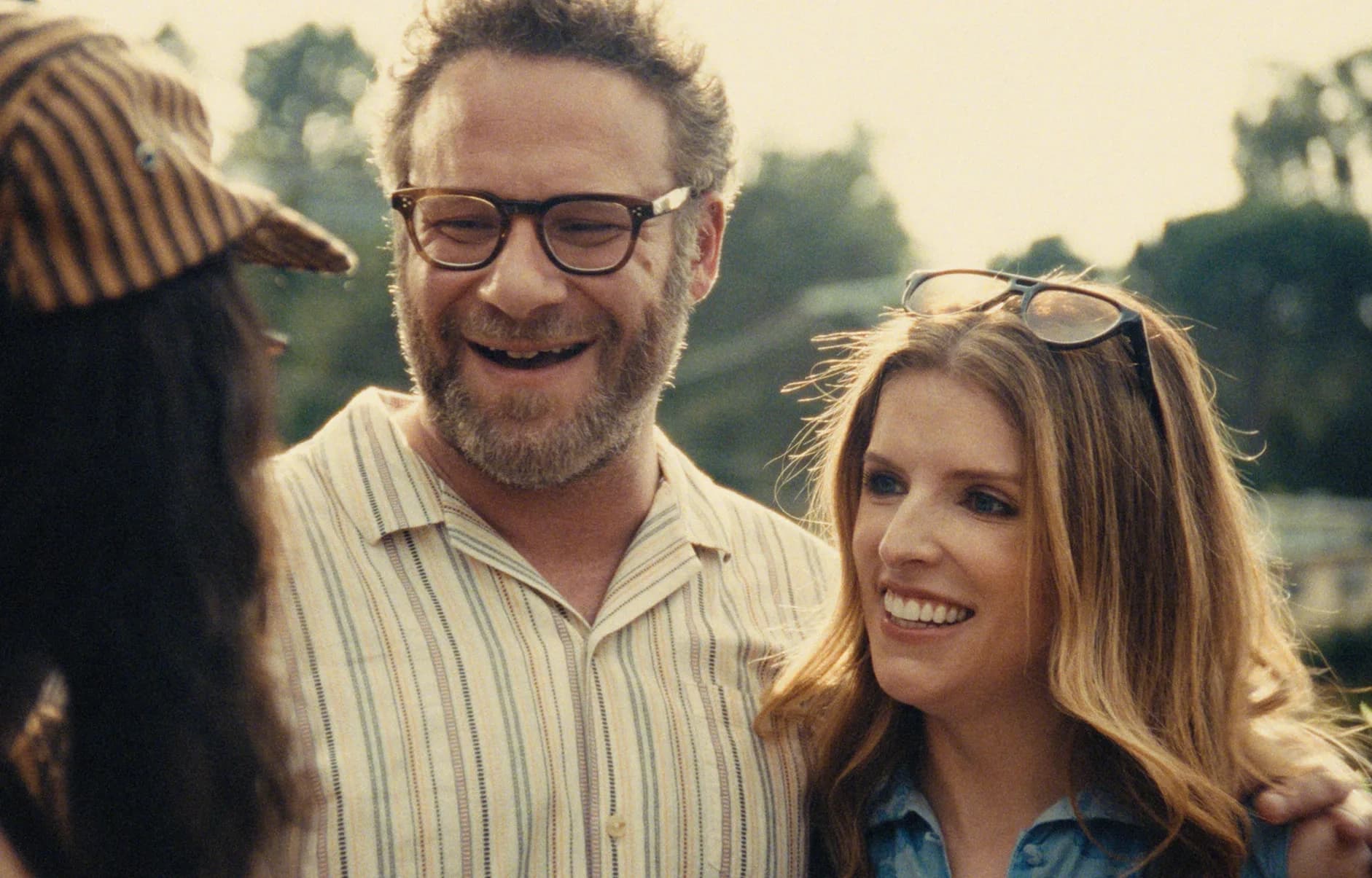
Biography
About Seth Rogen
Seth Rogen has built a career in which acting, writing, producing and directing rarely feel like separate jobs. Born in Vancouver on April 15, 1982, he began performing stand-up as a teenager, bringing jokes about his family, bar mitzvah and camp counsellors to parties, bars and comedy clubs. By 16, his deadpan humour had earned him second place in the Vancouver Amateur Comedy Contest, and a local casting call led to his first screen role as the acerbic Ken Miller in Freaks and Geeks.
That short-lived series began Rogen’s long creative association with Judd Apatow. He acted in and wrote for Undeclared, later became a staff writer on Da Ali G Show, and gained wider attention as Cal in The 40-Year-Old Virgin. His breakthrough as a leading man came with Knocked Up, but his career was never simply a progression from supporting player to star. Rogen’s screen presence has always been closely tied to his writing: conversational, blunt and especially effective when a character’s confidence starts to collapse.
Superbad made that connection particularly clear. Rogen and childhood friend Evan Goldberg began drafting the film when they were 13, drawing on their teenage experiences; Rogen eventually appeared in the finished movie as an irresponsible police officer. The pair continued writing together on Pineapple Express and The Green Hornet before making their directing debut with This Is the End. They also founded Point Grey Pictures in 2011, naming the company after the Vancouver secondary school they both attended.
Rogen has repeatedly moved beyond the laid-back comic roles most associated with him. He played Steve Wozniak in Steve Jobs, took a darker turn as Ronnie Barnhart in Observe and Report and appeared in the comedy-drama 50/50. His distinctive voice has also travelled widely through animation, including Kung Fu Panda, Sausage Party, The Lion King, The Super Mario Bros. Movie and Teenage Mutant Ninja Turtles: Mutant Mayhem.
Across those projects, Rogen’s career is held together less by genre than by a clear comic sensibility. Whether he is in front of the camera or shaping a production behind it, he tends to favour humour that is unruly on the surface but grounded in awkward, recognisable relationships.