Biography
About Sigourney Weaver
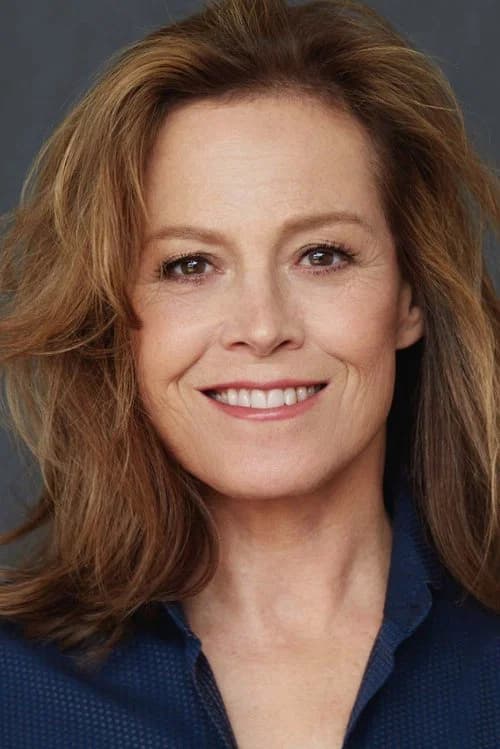
Sigourney Weaver’s screen career has always been difficult to box in. She can anchor science fiction without losing the human scale, sharpen a comedy with cool precision, or bring unease and complexity to a drama. That range has carried her from Ellen Ripley in Alien and Aliens to Dana Barrett in Ghostbusters, Dian Fossey in Gorillas in the Mist and the calculating Katharine Parker in Working Girl.
Born in Manhattan in 1949, Weaver developed an interest in performing at school before studying English at Stanford University, where she became heavily involved in theatre. She later earned an MFA from the Yale School of Drama in 1974. Her early professional work included Broadway’s The Constant Wife, television appearances and a small part in Annie Hall, but Alien provided the major screen breakthrough. Ripley became the role most closely associated with Weaver, and Aliens brought her first Academy Award nomination for Best Actress.
Her work soon made clear that Ripley was not a limit. Weaver played British Embassy officer Jill Bryant in The Year of Living Dangerously, returned to comedy for Ghostbusters and took on two markedly different roles in 1988. Gorillas in the Mist and Working Girl earned her Golden Globes for lead and supporting actress respectively, as well as simultaneous Academy Award nominations. Later films including Death and the Maiden, Copycat, The Ice Storm and Galaxy Quest gave her room to move between psychological intensity, dry comedy and genre playfulness.
Weaver has continued to work across film, television, voice acting and the stage. Her credits include the narration of the American version of Planet Earth, the voice of the ship’s computer in WALL•E, the political miniseries Political Animals and a return to James Cameron’s science-fiction worlds in Avatar and Avatar: The Way of Water. Onstage, she appeared in Christopher Durang’s Vanya and Sonia and Masha and Spike and made her West End debut as Prospero in The Tempest. It is a career built not around one mode, but around the ability to make authority, wit and vulnerability occupy the same frame.