Biography
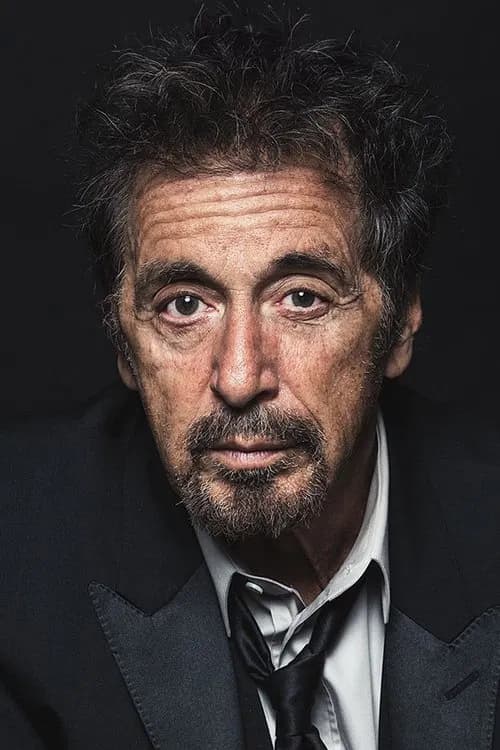
About Al Pacino
Al Pacino’s screen presence has always worked at more than one temperature. He can hold a scene in near-silence, letting tension gather behind his eyes, or push a performance toward full-throated fury. That range—between control and eruption—has carried him through crime films, courtroom dramas, Shakespeare, comedy and television.
Born Alfredo James Pacino in East Harlem, Manhattan, on April 25, 1940, he grew up in the South Bronx. Movies caught his imagination early: his mother took him from the age of three or four, and he would replay the characters’ lines in his head. After gaining admission by audition, he attended the High School of Performing Arts and supported himself with jobs including messenger, busboy, janitor, usher and postal clerk while acting in New York’s theatrical underground.
Pacino studied at HB Studio before joining the Actors Studio, where he trained in method acting under Lee Strasberg. His stage work brought him an Obie Award for The Indian Wants the Bronx and a Tony Award for his 1969 Broadway debut, Does a Tiger Wear a Necktie? That theatrical grounding remained central even after film stardom arrived.
Following early screen appearances in Me, Natalie and The Panic in Needle Park, Pacino was cast as Michael Corleone in The Godfather. The role established the restrained intensity of his early film work, and he returned to it in The Godfather Part II and The Godfather Part III. Serpico, Dog Day Afternoon and...And Justice for All further showed how effectively he could turn pressure, anger and moral conflict into compelling drama. Scarface offered a far louder register, while Carlito’s Way, Heat, Donnie Brasco and The Insider revealed different shades of authority, weariness and danger.
Pacino won the Academy Award for Best Actor for Scent of a Woman and later received his ninth Oscar nomination for playing Jimmy Hoffa in The Irishman. His career has also kept circling back to the stage and Shakespeare, including Richard III, The Merchant of Venice and his film Looking for Richard. As an actor, director, producer and writer, Pacino’s body of work is shaped not by one familiar mode, but by his willingness to keep testing how large—or how quiet—a performance can be.