Biography
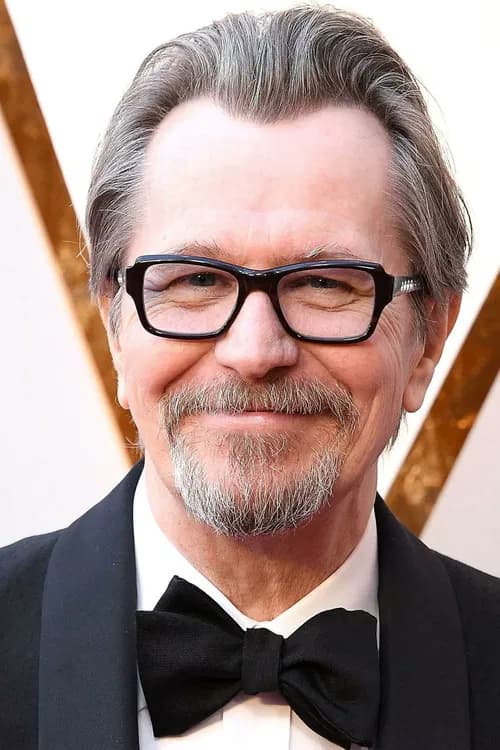
About Gary Oldman
Gary Oldman has built a career around transformation, intensity and a willingness to disappear into characters who rarely occupy comfortable moral ground. Born in London on 21 March 1958, he trained at Rose Bruford College and began his professional career in the theatre, working with companies including the Citizens Theatre, the Royal Court and the Royal Shakespeare Company. His early stage success led to the role of Sid Vicious in Sid and Nancy, followed by a BAFTA-nominated performance as playwright Joe Orton in Prick Up Your Ears.
Those films established the range that would define Oldman’s screen work. He could play Lee Harvey Oswald in JFK, Count Dracula in Bram Stoker’s Dracula or Beethoven in Immortal Beloved without making any of them feel like variations on the same performance. Hollywood also found memorable uses for his volatility, casting him as Drexl Spivey in True Romance, Norman Stansfield in Léon: The Professional and Jean-Baptiste Emanuel Zorg in The Fifth Element.
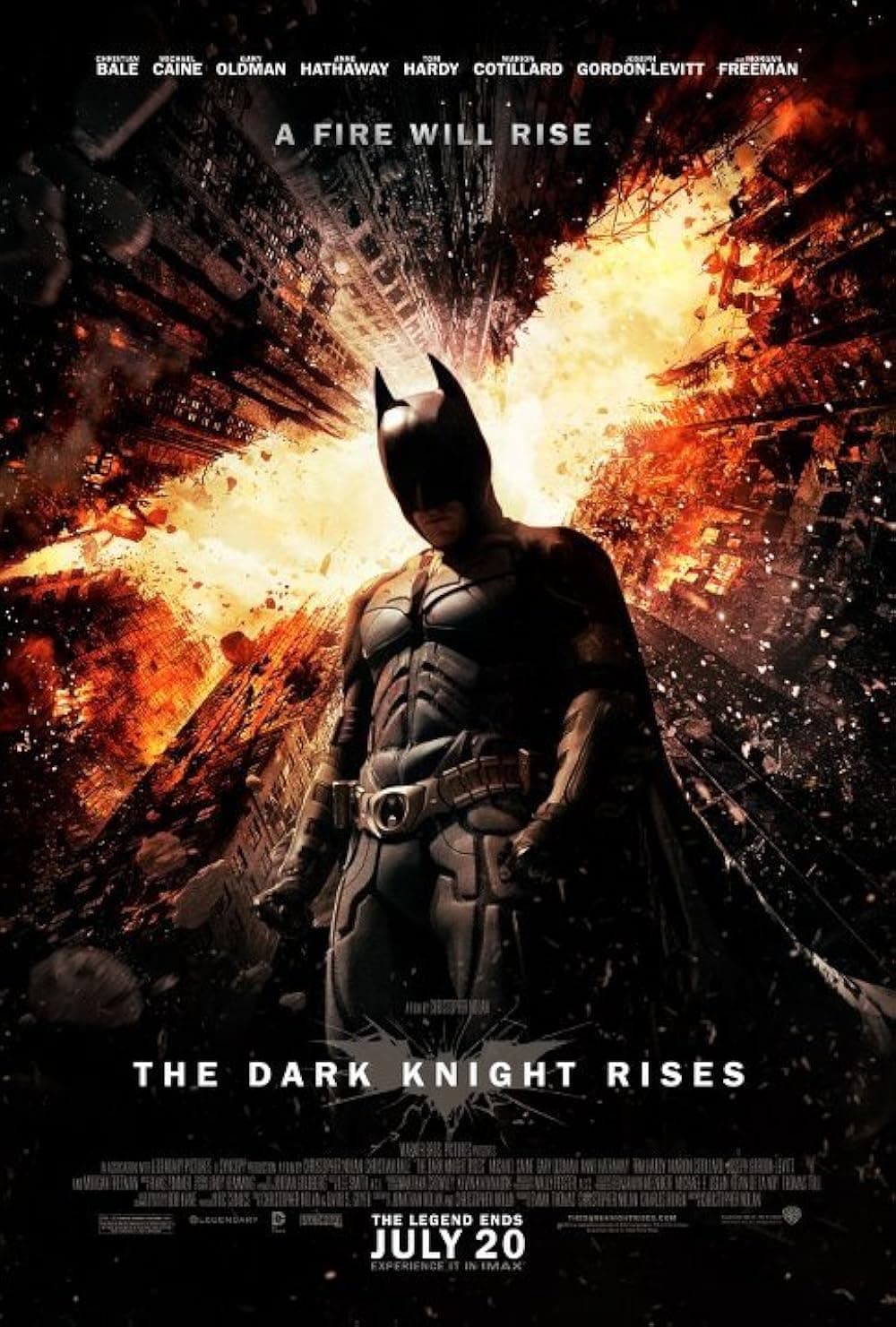
Yet Oldman’s work has never been limited to explosive villains. As Sirius Black in the Harry Potter series, he brought a bruised warmth to Harry’s godfather. Please Rewind’s films follow that performance from Harry Potter and the Prisoner of Azkaban through Goblet of Fire and Order of the Phoenix to Sirius’s appearance in Deathly Hallows – Part 2. He also played James Gordon across Christopher Nolan’s Batman trilogy, giving the films a grounded, steadfast presence amid their theatrical rogues.
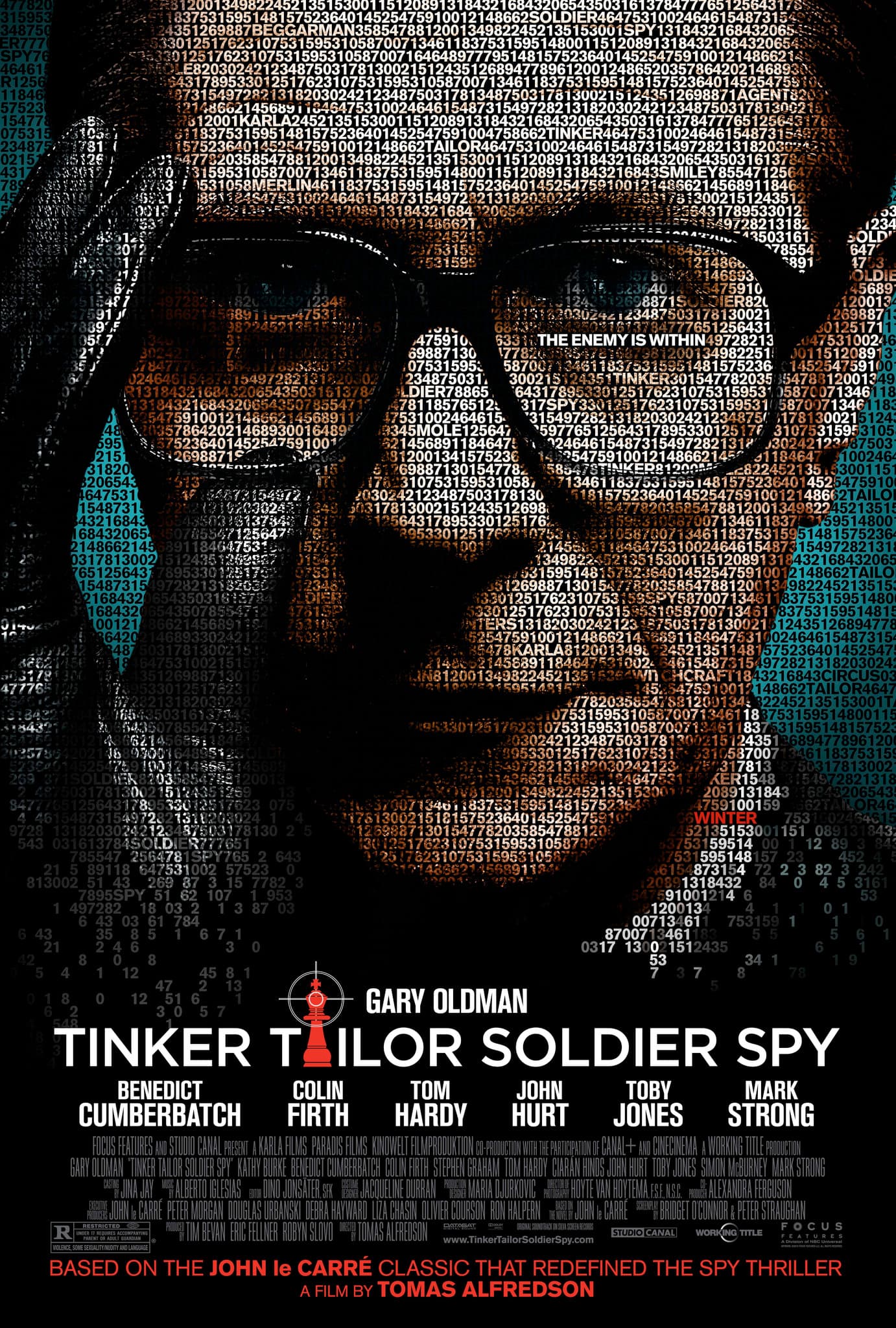
His quieter control came to the foreground as George Smiley in Tinker Tailor Soldier Spy, earning his first Academy Award nomination and a BAFTA nomination. He later won the Academy Award, BAFTA, Golden Globe, Critics’ Choice Movie Award and Screen Actors Guild Award for playing Winston Churchill in Darkest Hour. More recently, he has taken leading television work as intelligence manager Jackson Lamb in Slow Horses and appeared as Harry S. Truman in Oppenheimer. Across stage, film and television, Oldman’s career is less a straight line than a collection of sharply distinct people, each given his full attention.