movie news
Gary Oldman: Alan Rickman Brought Hospitalised Children to the Harry Potter Sets Every Day
Gary Oldman says Alan Rickman regularly brought children from hospital onto the Harry Potter sets, a generous habit that stood in stark contrast to his stern on-screen persona as Severus Snape.
Published 12 September 2026
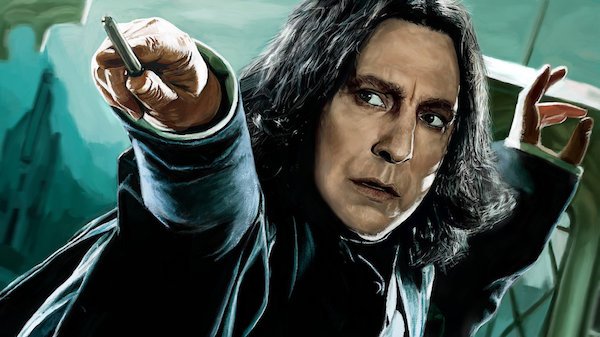
Gary Oldman has shared a striking anecdote about his late colleague Alan Rickman, revealing that Rickman routinely brought children from hospital onto the Harry Potter sets. Oldman said Rickman would “bring in kids every single day,” a routine that highlighted the difference between the actor and his famously forbidding character, Severus Snape. Oldman, who portrayed Sirius Black in the film series, added that Rickman understood the importance of those visits: “He knew how much it meant.” The recollection casts new light on Rickman’s off-screen generosity while underscoring the contrast between performer and part.
Revelation
Oldman recalls Rickman’s daily visits with hospitalised children
Gary Oldman has publicly recounted an unexpected side of Alan Rickman’s life on the Harry Potter productions: the actor would bring children from hospital onto the set on a daily basis. Oldman said Rickman would “bring in kids every single day,” a detail that emerged as he reflected on his late co-star’s behaviour away from the cameras. The visits reportedly brought hospitalised youngsters into the Hogwarts environment, giving them a chance to see the films’ world and meet members of the cast. Oldman emphasised Rickman’s awareness of the visits’ emotional value, saying simply, “He knew how much it meant.”
The anecdote served as a reminder that the man behind Severus Snape often showed obvious kindness, repeatedly using his position on a major film production to create memorable moments for children facing illness.
Off-screen warmth
A dramatic contrast: Snape’s sternness versus Rickman’s generosity
Alan Rickman’s portrayal of Severus Snape remains synonymous with severity and reserve — the character was often portrayed as harsh with pupils at Hogwarts. Oldman’s recollection underscores how sharply Rickman’s real-life conduct diverged from that on-screen persona. According to Oldman, Rickman “couldn’t have been more different” from the pupil-hating professor he portrayed.
That contrast is notable because it highlights an actor able to fully inhabit a role while maintaining a fundamentally different personal character. The daily practice of bringing hospitalised children onto set offered a quiet, humane counterpoint to the public image many fans associate with Snape. Oldman’s memory therefore serves both as a personal tribute and as a corrective to the way some may conflate actor and role.
Frequency
The significance of doing it every single day
Oldman’s comment that Rickman would bring children from the hospital “every single day” places emphasis on the regularity of the actor’s efforts rather than a one-off gesture. Repetitive acts of kindness like this suggest an ongoing commitment to making a difference, rather than a single public gesture for optics. Bringing children to the set daily would have required coordination and ongoing personal involvement, suggesting Rickman made the visits part of his routine while filming.
The frequency also suggests these visits were embedded in the production’s environment, familiar to cast and crew. Even without additional detail about logistics, Oldman’s framing points to a sustained practice that likely left repeated, meaningful impressions on the youngsters involved and on those who witnessed Rickman’s actions.
Colleague’s perspective
Gary Oldman remembers a fellow actor’s compassion
Gary Oldman — who played Sirius Black in the Harry Potter films — offered the recollection as a colleague remembering Rickman, not as an outsider’s appraisal. Oldman’s brief quotes highlight a mixture of admiration and surprise: admiration for Rickman’s steady kindness, and surprise at how different the actor was from his intimidating character.
By sharing the anecdote, Oldman provided a firsthand account that adds texture to public memory of the productions. His remarks capture how people who worked with Rickman saw him in a more complete light: serious and committed as a performer, but quietly generous in his off-screen life. A co-star's testimony anchors the anecdote in the day-to-day reality of the film set.
Legacy
An anecdote that reframes Rickman’s public image
Stories like Oldman’s help create a fuller understanding of Alan Rickman’s legacy beyond any single role. The image of an actor who spent time ensuring hospitalised children could visit a film set paints a picture of someone who used his platform for small, repeated acts of kindness. Oldman’s recollection — including the line “He knew how much it meant” — suggests these moments were not performative but came from a genuine appreciation of what such experiences could offer.
While the public will always recognise Rickman for powerful screen work like Severus Snape, anecdotes about his off-screen compassion remind audiences that the people behind iconic roles can be quietly, profoundly different. Oldman’s comments add one more personal testament to that complexity.
In This Story
People

Source
Variety