Biography
About Zooey Deschanel
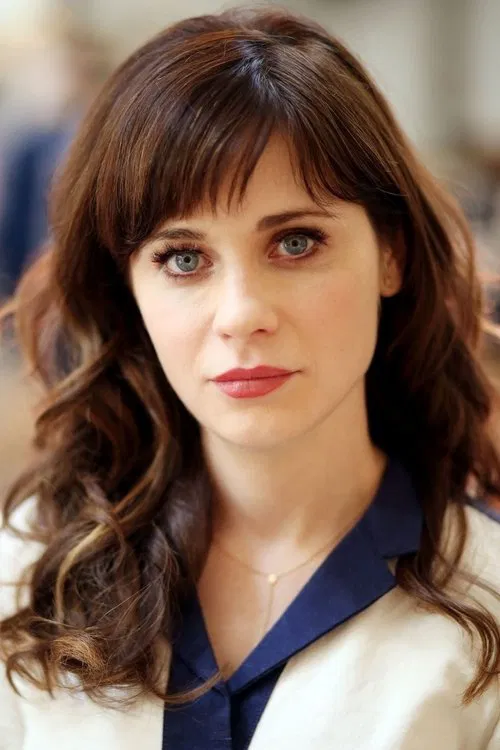
Zooey Deschanel has built a career around a screen presence that can shift from dryly sceptical to openly hopeful, often within the same performance. Born in Los Angeles on January 17, 1980, she grew up in a filmmaking family: her father is cinematographer and director Caleb Deschanel, her mother is actress Mary Jo Deschanel, and her older sister is actress Emily Deschanel.
After making her film debut in Mumford in 1999, Deschanel played Anita Miller, the rebellious older sister in Cameron Crowe’s Almost Famous. A run of supporting roles followed, including The Good Girl, where her plain-spoken delivery helped establish the deadpan quality associated with much of her early work. Her first leading film role came in David Gordon Green’s All the Real Girls, and the emotionally direct performance earned her an Independent Spirit Award nomination for Best Actress.
Deschanel reached a wider audience as department-store worker Jovie in Elf, a part that also made room for her singing. She later played Trillian in The Hitchhiker’s Guide to the Galaxy and reunited with Joseph Gordon-Levitt for (500) Days of Summer, an unconventional romantic drama built around the rise and collapse of a relationship. Her film work has repeatedly drawn on both sides of her appeal: guarded wit and musical warmth.
Television gave her that combination on a larger canvas. Beginning in 2011, Deschanel starred as the enthusiastic, optimistic Jess Day in New Girl. She also produced the series and helped shape the character. The show ran until 2018, and her performance received one Emmy nomination and three Golden Globe nominations.
Music has never been separate from Deschanel’s screen career. She formed She & Him with M. Ward, releasing the duo’s first album, Volume One, in 2008, and has sung in projects including Elf, Yes Man and (500) Days of Summer. She has also found a recurring voice role as Bridget in Trolls and its sequels. Across comedy, romance, television and music, Deschanel’s work is tied together by an ability to make eccentricity feel less like a pose than a point of view.