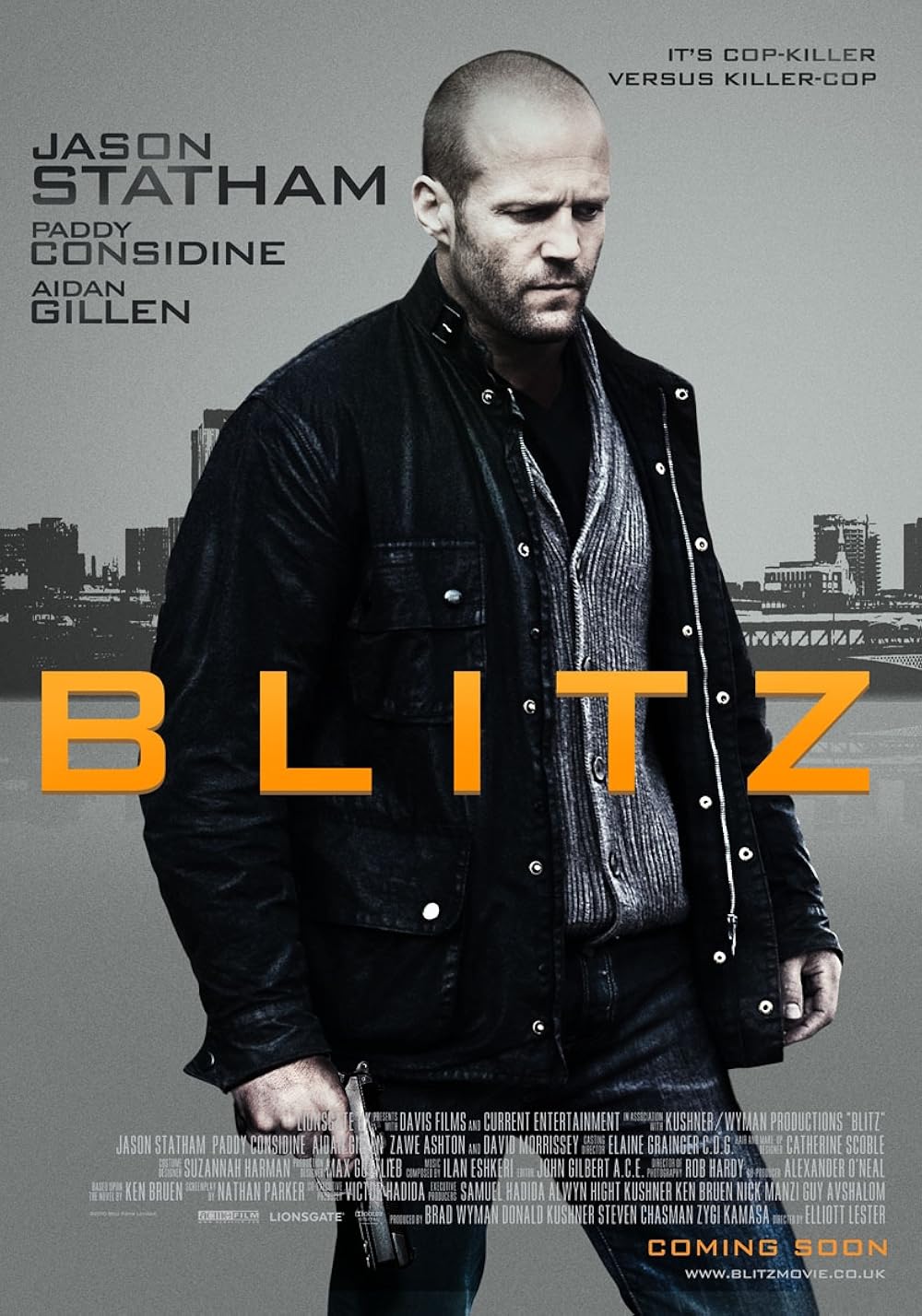
Blitz
Someone is hunting London's police officers. Unfortunately for him, one of them is Tom Brant.
Director
Elliott Lester
Release
20 May 2011
Runtime
97 Minutes
Certificate
18
Synopsis
Tom Brant has never been particularly interested in diplomacy. He's a tough South East London detective whose behaviour regularly creates almost as many problems for the police as the criminals he's chasing. Then officers begin dying. A killer is deliberately targeting members of the police force, and the murders quickly develop into something more than isolated attacks. The man responsible wants attention. Barry Weiss begins communicating with journalist Harold Dunlop, feeding the press information about his crimes and embracing the nickname Blitz. Every new murder increases the pressure on the investigation. Porter Nash is brought in to help lead the hunt. Nash and Brant seem like an unlikely partnership. Where Brant is confrontational and instinctive, Nash is more controlled and methodical. Nash also has to contend with hostility from colleagues because he is openly gay. But the two detectives gradually find common ground. Both are outsiders in different ways. And both want Blitz stopped. The investigation eventually points towards Weiss, but knowing who the killer is and having enough evidence to keep him behind bars are two very different things. That creates an uncomfortable question. What happens when the police know they've found the man responsible but the justice system can't hold him? For Brant, the answer may depend on how closely he's prepared to follow the rules in the first place.
The Movie Trailer
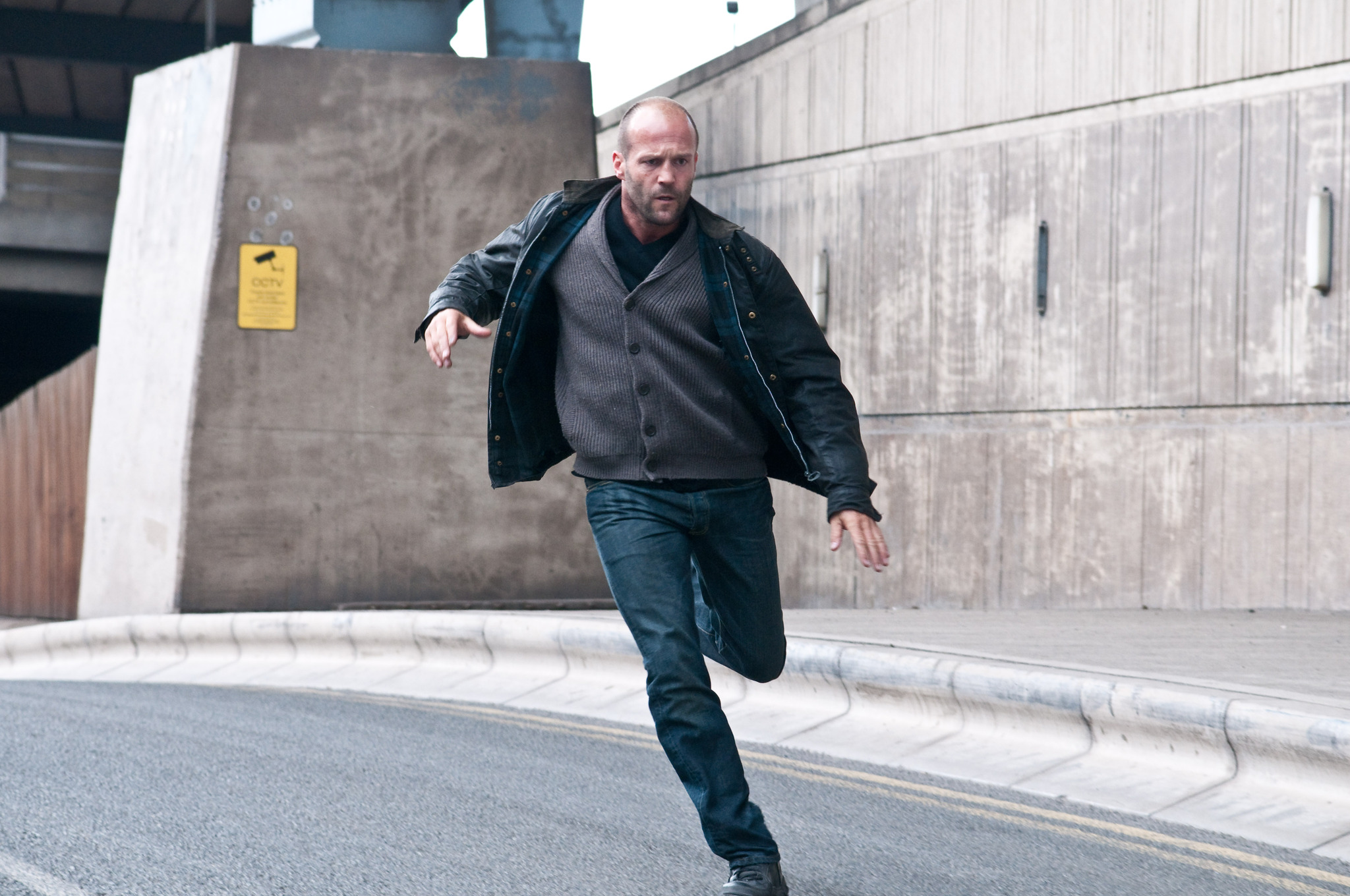
Detective Sergeant Tom Brant isn't exactly the Metropolitan Police's model officer.
He's aggressive, unpredictable and considerably more comfortable solving problems with his fists than explaining himself afterwards.
But somebody has started killing police officers across South East London.
The murderer calls himself Blitz.
And he doesn't simply want his victims dead.
He wants everyone watching.
As the killings attract growing media attention, Brant is paired with acting inspector Porter Nash, an officer whose controlled approach to policing couldn't be further removed from his own.
Their target is Barry Weiss, a violent and attention-hungry killer who understands that murdering police officers is only part of the game.
The other part is becoming famous for it.
While the press turns Blitz into a headline and the body count continues to rise, Brant and Nash have to find a way to stop a killer who appears to enjoy the chase almost as much as the murders themselves.
BRANT
Tom Brant Isn't the Kind of Policeman You Send to Calm Things Down
Brant operates somewhere between detective and blunt instrument.
He understands criminals because restraint isn't exactly his strongest quality either.
That makes him a difficult police officer to defend.
It also makes him a particularly dangerous opponent for Blitz.
The killer expects the police to follow procedures.
Brant barely follows instructions.
As the investigation becomes increasingly personal, the distinction between catching Blitz and punishing him begins to disappear.
BLITZ
Barry Weiss Doesn't Just Want to Kill Cops — He Wants London to Know His Name
Weiss understands something that makes him particularly dangerous.
Attention can turn murder into spectacle.
He isn't satisfied with avoiding the police.
He wants newspapers talking about him.
He wants detectives chasing him.
And most importantly, he wants people to know the name Blitz.
That obsession gives the investigation another dimension.
Brant and Nash aren't simply trying to catch a murderer.
They're dealing with somebody who sees their pursuit as part of his performance.
Every headline feeds the identity Weiss is creating for himself.
BRANT & NASH
Two Outsiders Make a Surprisingly Effective Partnership
Brant and Nash initially appear almost deliberately mismatched.
Nash is measured where Brant is explosive.
Brant relies on intimidation where Nash is more comfortable with procedure.
But both men understand what it means to exist slightly outside the culture surrounding them.
Nash faces prejudice from fellow officers because he's gay.
Brant's violence and refusal to conform repeatedly leave his own career hanging by a thread.
Their differences don't disappear.
They become useful.
And as Blitz pushes the investigation further, the partnership gives Brant something he doesn't often have — somebody capable of standing beside him without necessarily becoming like him.