Biography
About Daniel Radcliffe
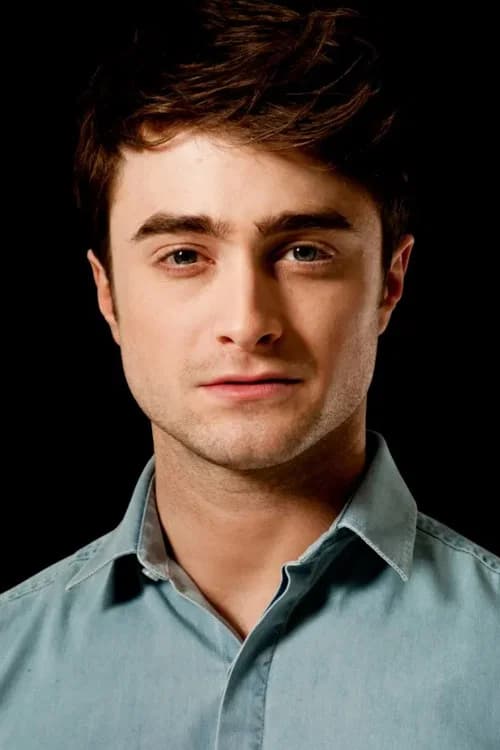
Daniel Radcliffe grew up on screen, but the shape of his career since Harry Potter has been anything but predictable. Born in Hammersmith, London, on 23 July 1989, he first acted at ten, playing the young title character in the BBC adaptation of David Copperfield. His film debut followed in The Tailor of Panama before he was cast as Harry Potter in Harry Potter and the Philosopher’s Stone.
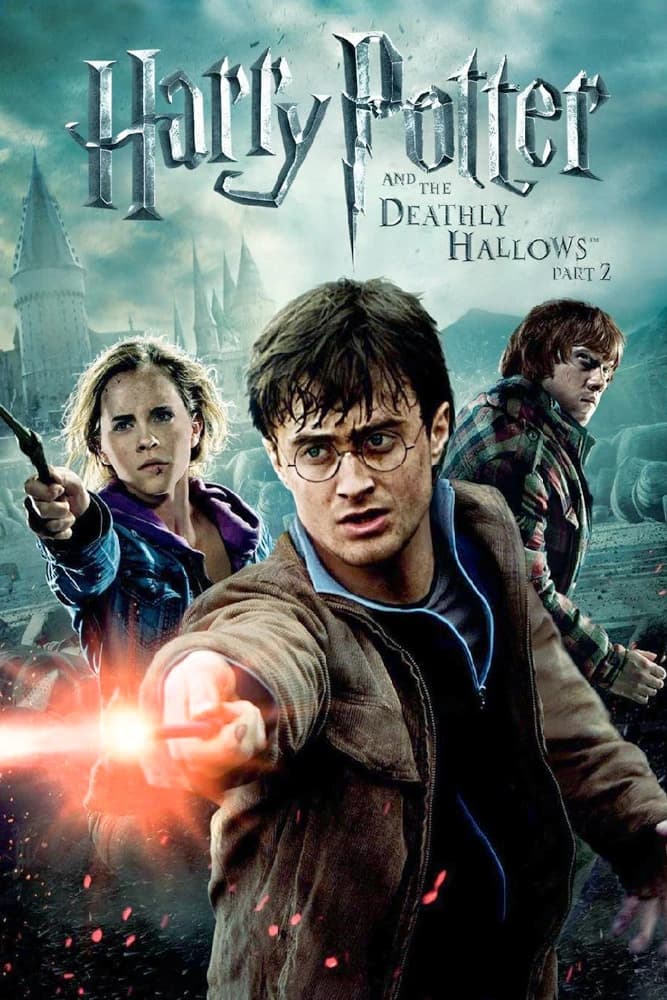
Radcliffe played Harry across the complete film series, released between 2001 and 2011. It was a rare kind of acting apprenticeship: one character carried from childhood into adulthood, with the scale and emotional demands increasing along the way. Radcliffe has said that he remains proud of the association, even as his later choices have shown little interest in repeating it.
That sense of curiosity runs through his work. On stage, he took the demanding lead role of Alan Strang in Equus in London and on Broadway, then moved into musical comedy with How to Succeed in Business Without Really Trying. On film, The Woman in Black gave him a classically sombre horror role, while Kill Your Darlings cast him as poet Allen Ginsberg. Swiss Army Man went much stranger, with Radcliffe playing a talkative corpse opposite Paul Dano, and Imperium placed him inside a tense undercover drama as an FBI agent infiltrating a white supremacist group.
His range has continued to stretch across the survival thriller Jungle, the television comedy Miracle Workers, the action-adventure comedy The Lost City and the deliberately unruly Weird: The Al Yankovic Story, in which he played “Weird Al” Yankovic and received a Primetime Emmy nomination. These performances make good use of his willingness to be sincere and ridiculous, sometimes within the same scene.
Theatre has remained a substantial part of that career. Radcliffe played Charley Kringas in the Broadway revival of Merrily We Roll Along and won the Tony Award for Best Featured Actor in a Musical. It is a fitting marker for an actor whose post-franchise career has been built not around escaping one famous role, but around finding increasingly varied reasons to keep watching.